- fragmented sleep with fluctuations in blood pressure and stress hormones.
- Missing blood-pressure or heart medication before bedtime
It strongly emphasizes taking prescribed medications consistently and says that missing doses can contribute to blood-pressure problems and stroke risk. - Sleeping in a cold room without proper neck support
It claims that cold temperatures can constrict blood vessels and that poor neck alignment may further affect circulation. - Going to sleep immediately after a heavy meal or alcohol
The article recommends leaving 2–3 hours between a heavy meal and bedtime and limiting alcohol close to bedtime.
What it recommends
The article generally recommends:
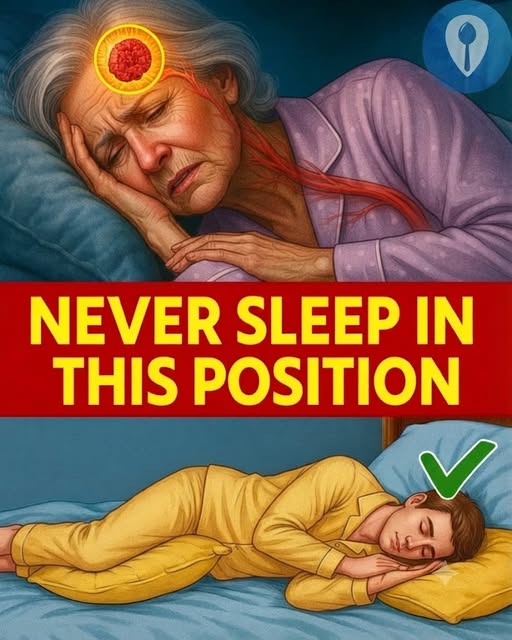
- Slightly elevating the head while sleeping.
- Side sleeping, particularly on the left side.
- Keeping the neck properly supported.
- Avoiding sleeping face-down.
- Avoiding putting an arm underneath the pillow.
- Keeping your head uncovered while sleeping.
- Taking prescribed medications consistently.
- Avoiding heavy meals and alcohol shortly before bed.
- Addressing persistent snoring or poor