3. Why Does Garlic Have Such a Strong Smell?
One of the compounds associated with garlic’s characteristic smell and flavor is allicin.
Allicin is not simply present in large amounts in an intact garlic clove. When garlic is cut, crushed, or chopped, an enzyme called alliinase helps convert sulfur-containing compounds into allicin and other compounds.
This chemical reaction is responsible for much of the strong smell and flavor that we associate with fresh garlic.
4. Purple Garlic Contains Anthocyanins
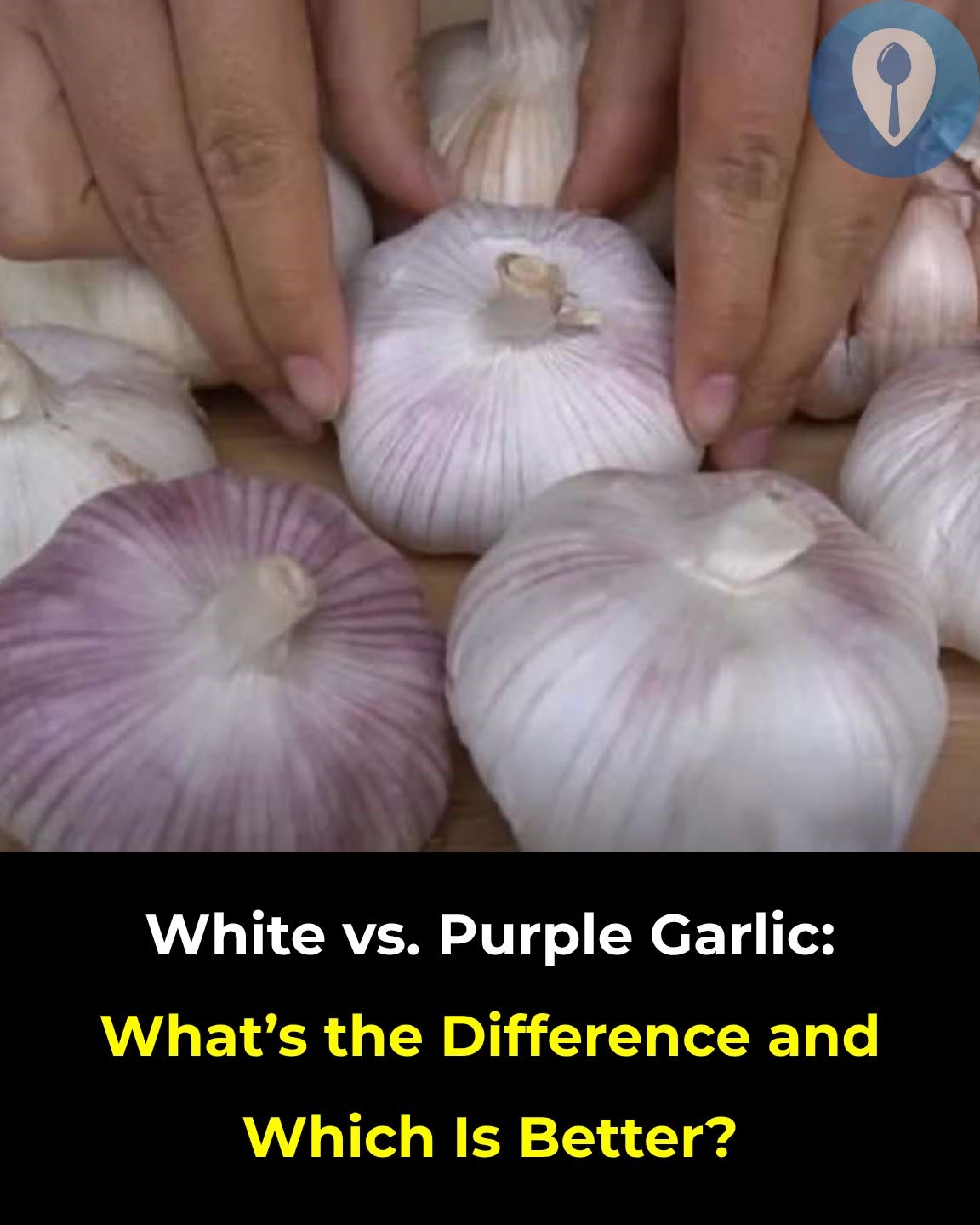
One interesting feature of purple garlic is the presence of natural pigments called anthocyanins.
Anthocyanins are compounds responsible for red, purple, and blue colors in many plants. They are also associated with antioxidant activity.
Purple garlic may contain these pigments, particularly in its colored skin. However, the amount can vary significantly between different varieties.
Therefore, it would be misleading to say that purple garlic is automatically much healthier simply because it is purple.
5. Both Types Contain Sulfur Compounds
Both white and purple garlic contain sulfur-containing compounds that have been studied for their biological effects.
These include:
- Allicin
- Alliin
- S-allyl cysteine
- Other organosulfur compounds
Researchers have studied garlic in relation to cardiovascular health, blood pressure, cholesterol, inflammation, and oxidative stress.
However, the evidence varies depending on the type of garlic preparation and the specific health effect being studied.