Garlic With Whole Grains
Garlic can be mixed with brown rice, quinoa, or whole-grain pasta for extra flavor.
Garlic and Olive Oil
A small amount of garlic-infused olive oil can add flavor to vegetables and salads.
The Bottom Line
White and purple garlic are both nutritious choices, and neither can be considered universally superior.
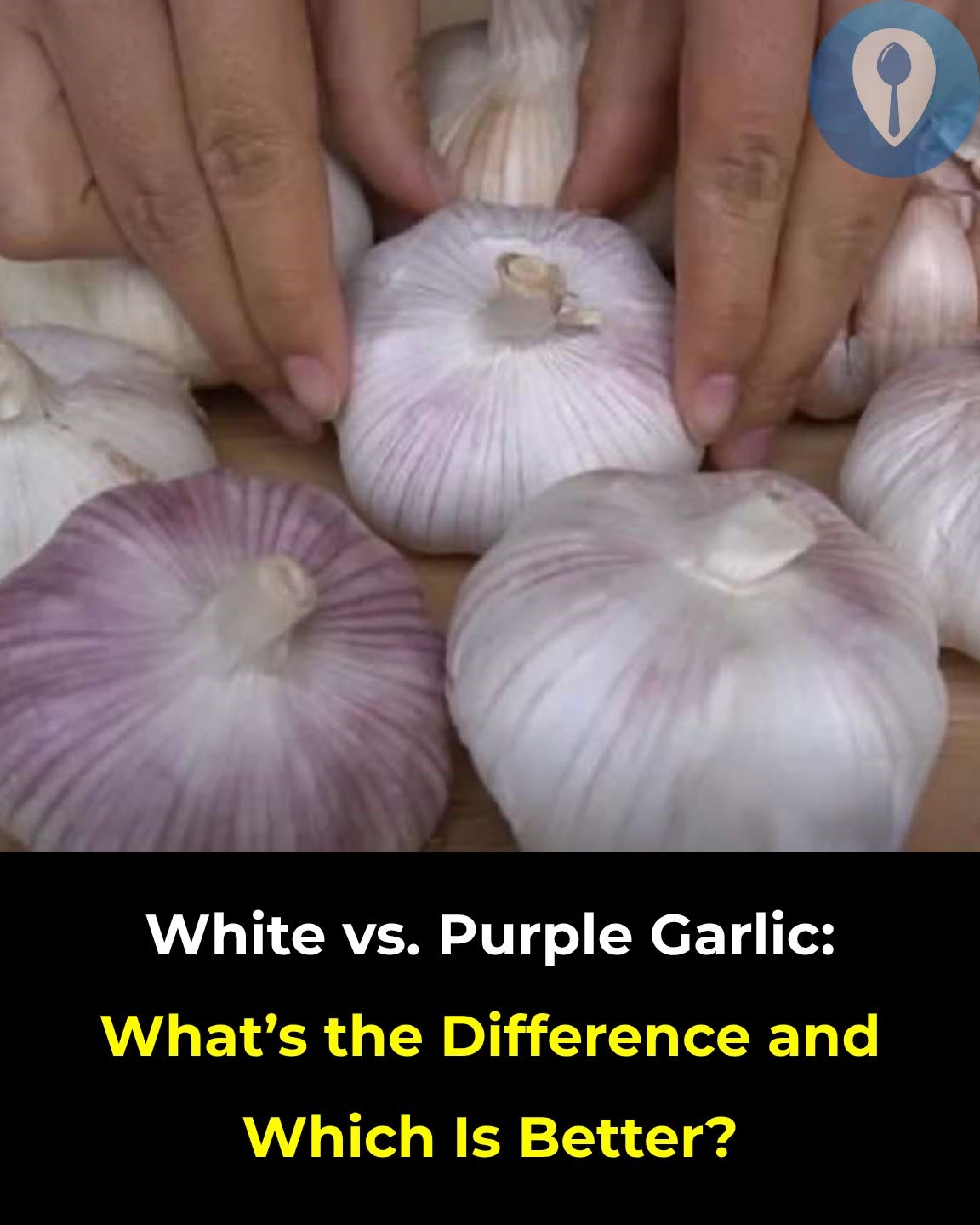
Purple garlic is recognizable by its colored skin and may contain anthocyanins and different concentrations of other plant compounds. Some varieties also have a stronger and spicier flavor.
White garlic is widely available, versatile, and often has excellent storage characteristics.
Both varieties contain sulfur-containing compounds involved in the formation of allicin and other substances that have been studied for their potential biological effects.
Rather than worrying too much about the color of your garlic, focus on choosing fresh garlic, using it as part of a varied diet, and preparing it in ways that you enjoy.
Final Thoughts
The next time you see white and purple garlic next to each other, you do not necessarily need to ask, “Which one is healthier?”
A better question might be:
“Which one tastes better to me, and which one will I actually use?”
Purple garlic may offer unique pigments and a stronger flavor, while white garlic remains an extremely versatile kitchen ingredient.