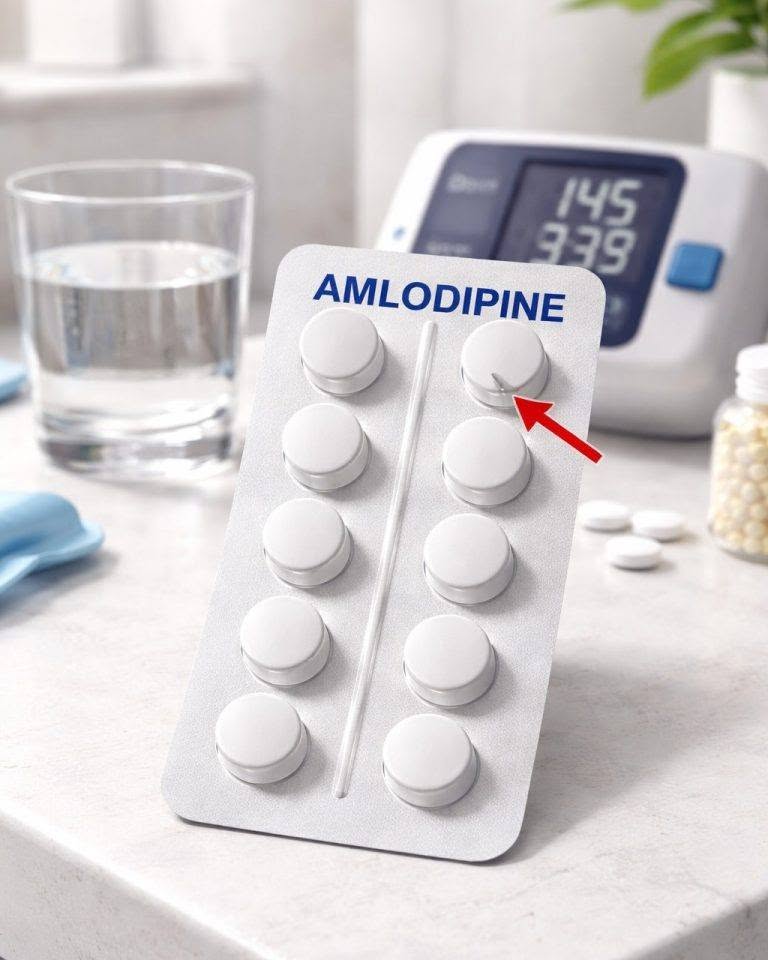
may stay higher for longer, which can increase the chance of side effects like dizziness, flushing, or swelling. Studies have noted this pharmacokinetic effect, though the impact can vary from person to person.
Actionable tip: Check labels on juices and avoid whole grapefruit or grapefruit juice while taking amlodipine. Opt for other fruits like oranges, apples, or berries instead. If you love the flavor, talk with your pharmacist about whether occasional small amounts are okay for you.
2. Drinking Alcohol, Even in Moderation
Alcohol itself doesn’t directly block amlodipine, but it can add to the medication’s blood-pressure-lowering effect. This combination may leave you feeling more dizzy, lightheaded, sleepy, or prone to headaches than usual.
Many people notice these effects especially when standing up quickly or after a long day.
Actionable tip: If you currently drink, consider cutting back or taking a break to see how you