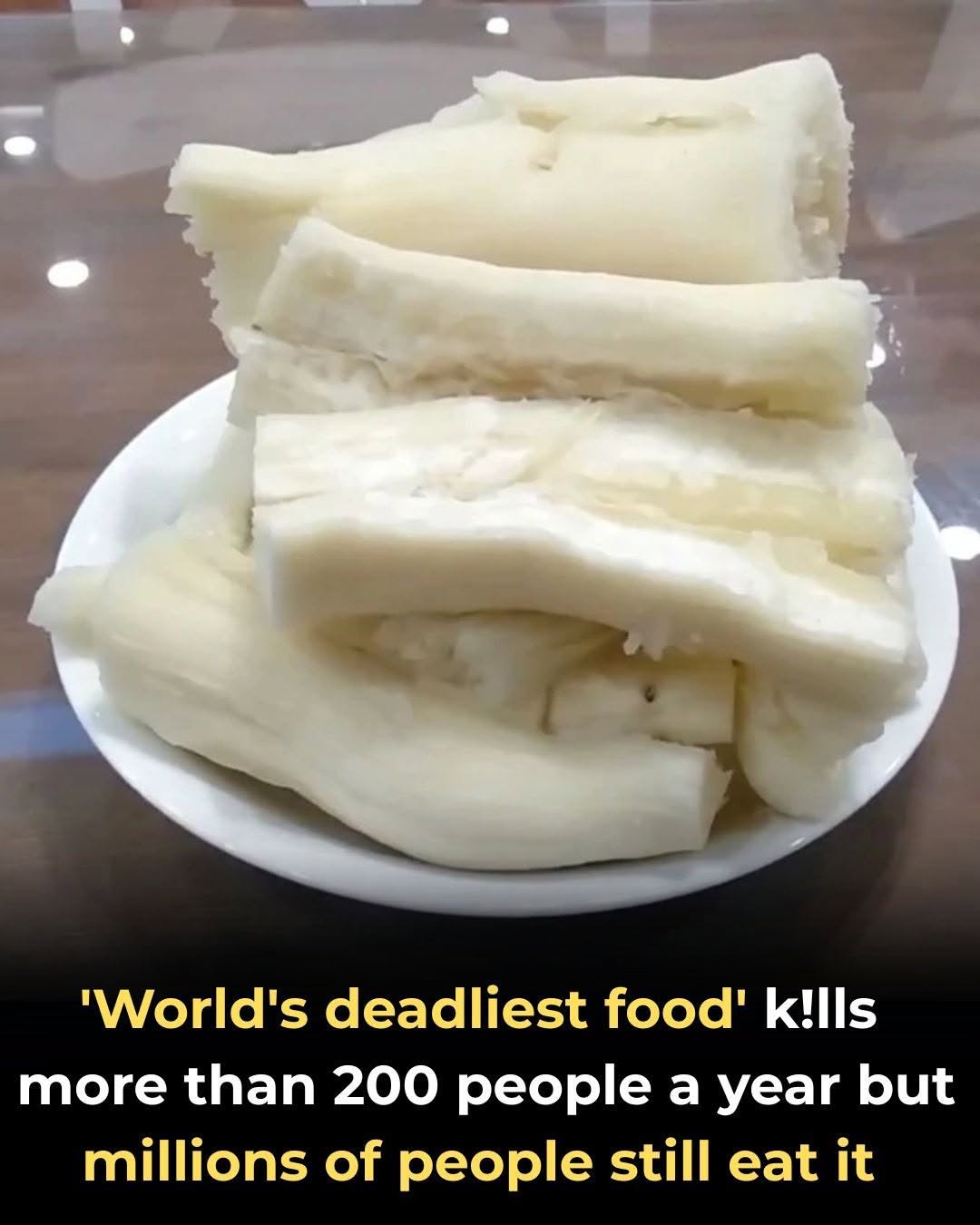
The leaves, peel, and other parts of the plant can contain potentially harmful levels of these substances.
Eating improperly prepared cassava can therefore lead to cyanide poisoning.
How Does Cyanide Poisoning Happen?
When cyanogenic compounds are not adequately removed during processing, the body can be exposed to excessive amounts of cyanide.
Cyanide interferes with the body’s ability to use oxygen at the cellular level.
A sufficiently high exposure can therefore become life-threatening.
Symptoms of acute cyanide poisoning may include:
- Headache
- Dizziness
- Nausea
- Vomiting
- Weakness
- Confusion
- Difficulty breathing
- Loss of consciousness
Severe poisoning can be fatal.
The Connection With Konzo
One of the serious health conditions associated with poorly processed cassava is konzo.
Konzo is a neurological disorder characterized by sudden and permanent weakness or paralysis, particularly affecting the legs.
It has been associated with high exposure to cyanide from inadequately processed bitter cassava, especially when combined with inadequate protein intake.
The condition has been reported particularly in some communities experiencing severe food insecurity and poverty.
Why Do People Continue to Eat Cassava?
If cassava can be dangerous, why is it eaten by so many people?
The answer is simple: properly processed cassava can be an important and valuable food.
Cassava provides substantial amounts of carbohydrates and calories.