spread beyond ships.
An upside-down flag could become a way of communicating that a person, community, or country was believed to be facing serious danger.
Why are drivers using the symbol?
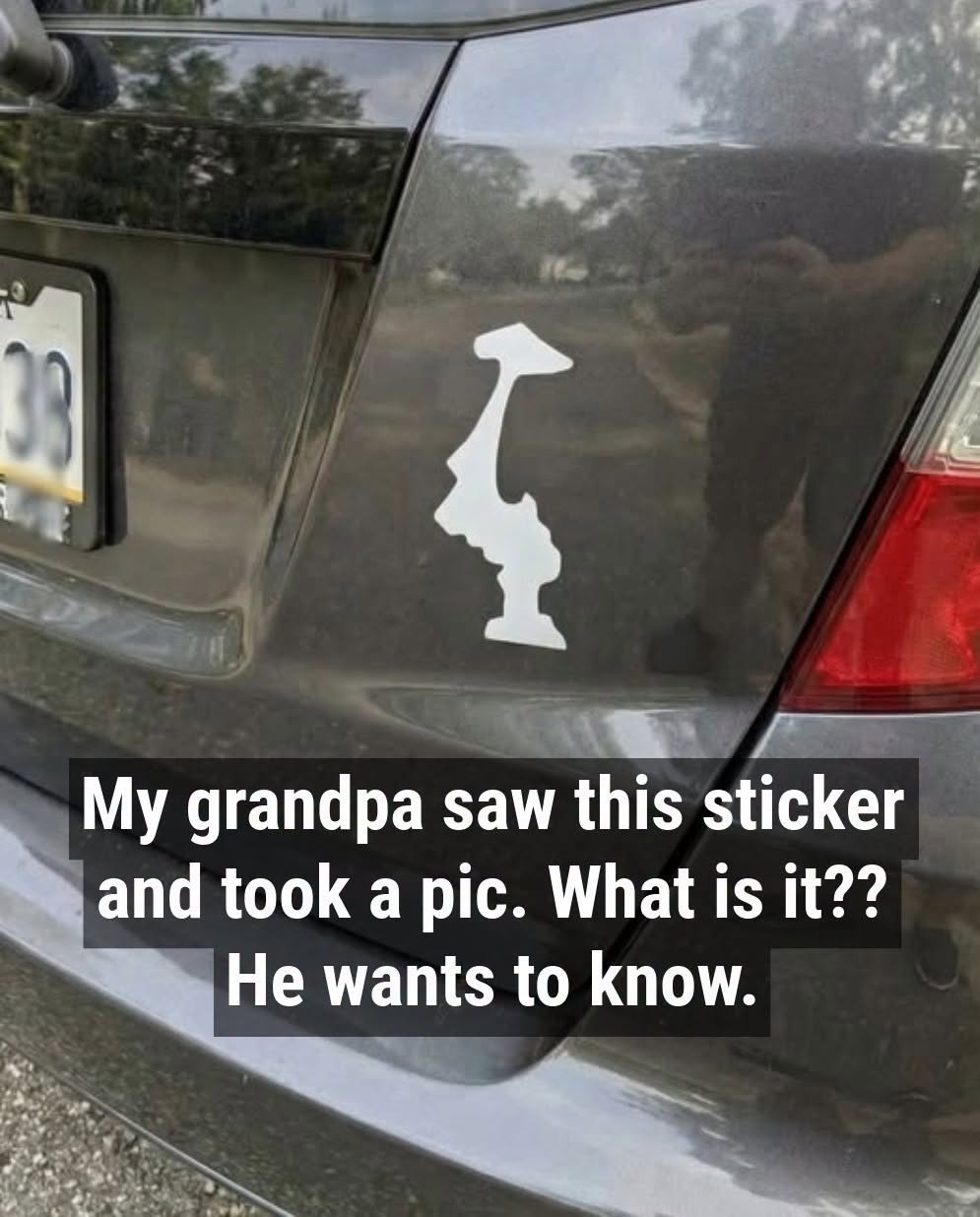
When someone displays an upside-down state flag on a vehicle, the meaning depends heavily on the person and the circumstances.
Some drivers use it as a political or social protest.
Others may be trying to express the belief that their state or country is experiencing a crisis.
For some people, the message is essentially:
“Something is wrong.”
The vehicle itself becomes a moving billboard, allowing the driver to communicate that message wherever they travel.
It’s not always a political statement
One important detail is that an upside-down flag doesn’t automatically have one universal meaning.
Someone might display it deliberately as a protest.
Another person may simply have installed a flag incorrectly.
A damaged or poorly mounted flag can also