2. The Real Culprit: High Blood Pressure

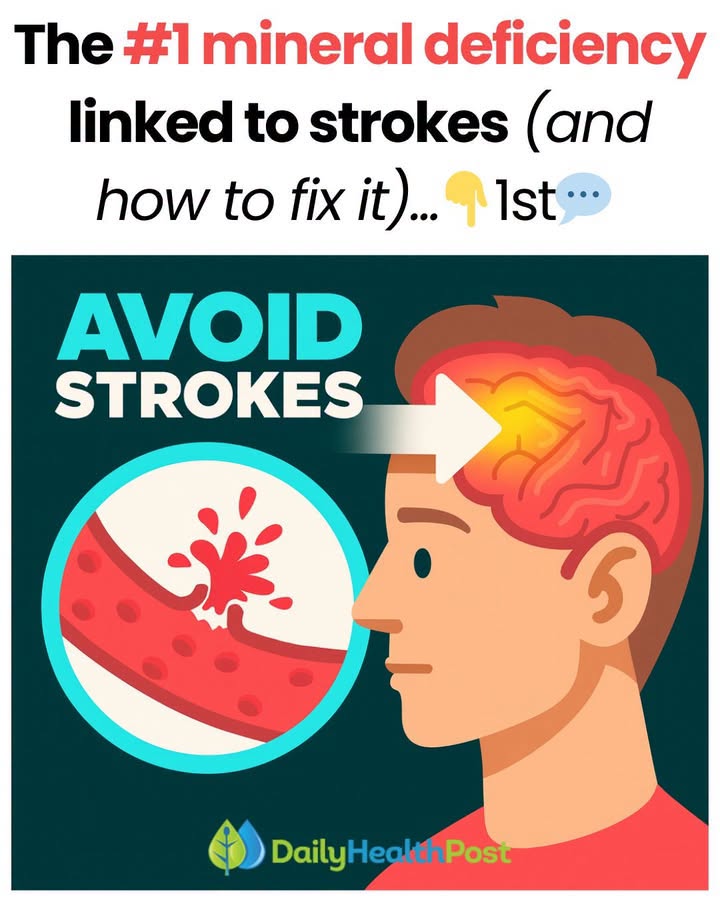
So, what connects these two types of strokes? One of the most critical, controllable risk factors is high blood pressure (hypertension). When your blood pressure is consistently high, it puts enormous stress on the walls of your arteries, including those in your brain. This constant pressure inflames and damages the artery walls, accelerating the buildup of the dangerous plaque we talked about (atherosclerosis), which sets the stage for an ischemic stroke. For hemorrhagic strokes, that relentless pressure can weaken a blood vessel over time until it finally ruptures.
The statistics here are truly sobering. It’s estimated that a staggering 51% of all strokes are directly linked to high blood pressure. Data from the famous Framingham Heart Study, which has been running for decades, showed that people with hypertension had a stroke incidence anywhere from 5 to over 30 times higher than those with normal blood pressure. Furthermore, a massive meta-analysis that included over a million people found that for every 20-point rise in your systolic blood pressure (the top number), your risk of dying from a stroke doubles. This is a risk you simply can’t afford to ignore.
3. The Overlooked Mineral: The Power of Potassium

Here’s the good news. Before you assume you need to jump onto prescription medications, there’s a simple, natural fix related to a mineral deficiency that can make a significant difference. That deficient nutrient is potassium.
How big of an impact can potassium really have? Researchers have studied this from both sides. In one study, healthy men with normal blood pressure were put on a very low-potassium diet. In just nine days, their blood pressure rose significantly. On the flip side, numerous studies have looked at what happens when you increase potassium intake. A large review of 22 high-quality trials found that increasing potassium intake reduced systolic blood pressure by an average of 3.5 points. That might not sound like a lot, but every point matters. And the effect is even more dramatic when you get your intake into the optimal range.
4. How Much Potassium Do You Need (And How Does It Help)?
When potassium intake reaches the sweet spot of 3,500 to 4,700 milligrams per day, the research shows that the reduction in systolic blood pressure can be as high as a whopping 7 points. Remember that a 10-point drop in blood pressure can cut your stroke risk by 27%, so a 7-point drop from a single dietary change is incredibly powerful.
Potassium works its magic by helping to balance sodium levels in your body. While your body needs some sodium, most modern diets are overloaded with it, which causes your body to retain water and increases blood pressure. Potassium helps your kidneys flush out excess sodium, and it also helps to relax the walls of your blood vessels. This two-pronged attack—less sodium and more relaxed vessels—is a highly effective way to lower blood pressure naturally.
5. The Proof: The Salt Substitute Study