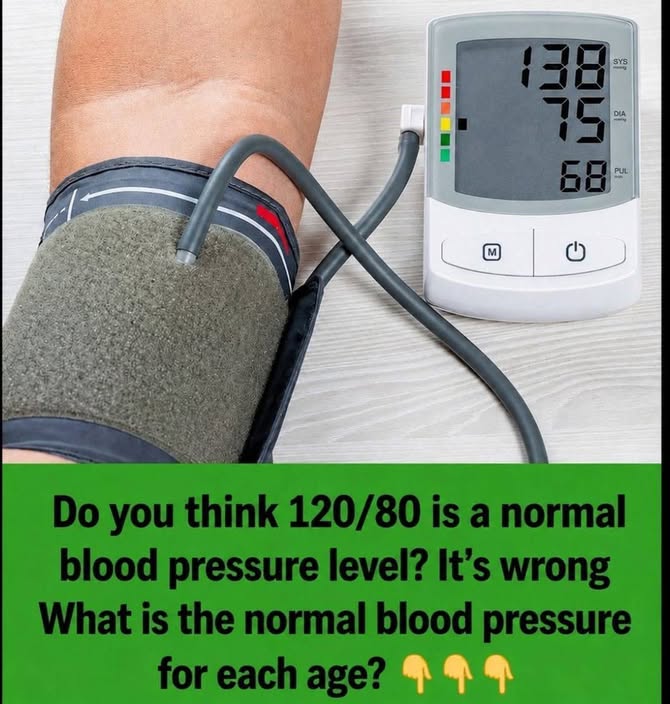
Ages 18–39: Women average 110/68 mm Hg; men average 119/70 mm Hg
Ages 40–59: Women average 122/74 mm Hg; men average 124/77 mm Hg
60 and older: Women average 139/68 mm Hg; men average 133/69 mm Hg
The increase in systolic pressure with age is more pronounced in women, particularly after menopause due to hormonal changes. Diastolic pressure tends to remain stable or slightly decrease in older adults.
- How aging affects blood pressure
As people age, several physiological changes contribute to higher blood pressure, especially systolic hypertension. Key factors include:
Arterial stiffness: Aging reduces the elasticity of large arteries like the aorta, making it harder for them to expand with each heartbeat. This stiffness raises systolic pressure.
Plaque accumulation: Fatty deposits within arteries narrow the vessel lumen, increasing resistance to blood flow and elevating pressure.
Kidney function and hormonal changes: Aging can impair the